Lawn Mowing in Clapham
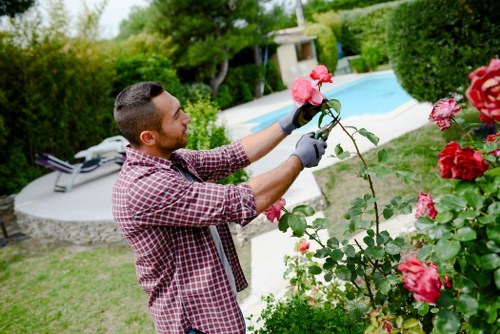
Lawn mowing in Clapham needs a tidy, dependable approach that keeps grass levels even, edges neat and the overall finish suited to the shape of the garden. Our lawn mowing service focuses on regular cutting, careful trimming around borders and a clean end result that helps outdoor spaces stay presentable through the growing season. Whether the lawn is part of a compact front garden, a shared courtyard or a larger private plot, we keep the work practical and straightforward.
We also look at the lawn as a working surface rather than a single task. That means considering the grass length, the condition of the edges, access to the area and any features such as paths, beds, fencing or seating that need to be worked around. A good mowing routine can make a garden feel orderly without changing its character, and it is often the right starting point for wider garden maintenance where the lawn sits alongside hedges, borders or seasonal growth that also needs attention.
For customers comparing options, the important question is often how the lawn should be maintained over time. Some gardens benefit from regular cuts to keep growth consistent, while others need a more considered first visit if the grass has become long or patchy. Our aim is clear presentation rather than unnecessary disturbance, and when a property needs broader work we can also discuss the relationship between mowing, trimming and tidying as part of a planned visit. If you would like to arrange a quotation, start with the basics of the lawn and its access so the work can be assessed properly.
Regular lawn care and routine cutting
Routine mowing is the foundation of a tidy lawn, especially where the grass is being used frequently or forms a visible part of the property’s first impression. Regular cutting helps maintain a more even appearance and can keep the lawn easier to manage than letting growth run on until it becomes awkward to bring back under control. We work with the conditions in front of us, adjusting the approach to suit the lawn rather than treating every garden in the same way.
Our mowing visits can be planned around a sensible cycle, with attention to the areas that matter most in day-to-day use. The practical work may include mowing the main grassed space, trimming edges where the cut needs to meet paving or planting, and leaving the lawn looking consistently finished. Where the garden has a straightforward layout, the process can be direct; where it is more varied, the cutting pattern needs a little more care to avoid missed strips or rough transitions between sections.
What we look at before cutting

Before a lawn is cut, a few basic details help shape the job. Grass height is the obvious one, but the condition of the surface matters too. Uneven ground, hidden debris and tight spaces around beds or ornaments can all affect how the work is carried out. We keep the focus on a sensible finish, not on forcing the lawn into a style that does not suit the garden. If the grass has grown higher than usual, the right approach is often a steadier cut rather than taking too much off at once.
Useful information for a quotation can include the approximate size of the lawn, whether access is through the house or via side entry, and whether there are areas that should be handled with extra care. Two points are especially helpful: how the garden is reached and whether the lawn has any awkward boundaries. That gives a clearer picture of the time and method involved. If you are unsure how to describe the space, a simple summary is usually enough to begin with.
Some gardens also need the mowing service to sit alongside other light upkeep. In those cases, it can make sense to look at the grass together with nearby growth so the whole outdoor area feels coherent. Where the lawn is only one part of a larger set of tasks, a wider service such as services overview can help customers understand the choices available before they decide how much work to include.
Edges, borders and a neater finish
A clean lawn is not only about the cut itself. The outline matters just as much, particularly where grass meets walls, paving, fencing or planted borders. Edging and trimming create the visual frame that makes a mowing job look complete. Without that finishing work, even a freshly cut lawn can still appear untidy at the margins. We therefore treat the edges as part of the whole, not as an optional extra to be rushed through.
Different gardens call for different levels of detail. Some have simple straight borders that can be finished quickly and accurately, while others have curved beds, narrow runs beside sheds or small sections around steps and paving. A careful approach helps protect planting and keeps the lawn line crisp. In a compact garden, that attention can make the space feel more open and intentional; in a larger one, it helps each section read clearly.
When the lawn needs more than a quick cut

Not every lawn is in routine condition when work begins. Longer grass, patchy growth and areas affected by weather or limited access can call for a more measured first visit. In those cases, mowing is about bringing the lawn back to a manageable state without overworking it. The objective is to reduce height responsibly, improve the appearance and create a base for future upkeep. That approach is especially useful where the grass has been left for a while and needs a reset rather than a light tidy.
If the grass is in uneven condition, the final result may depend on several small decisions rather than one swift pass. Cutting direction, the order of the work and the handling of borders all matter. We keep those decisions practical and grounded in the condition of the lawn. Where mowing forms part of a broader tidy-up, related tasks such as garden clearance may be relevant if the space also contains loose cuttings, light debris or overgrowth that needs removing before the grass can be finished properly.
Sometimes the most useful service is the one that restores control first. Once the lawn is back to a sensible level, future visits can usually be planned more easily and the garden becomes simpler to maintain. That is particularly helpful for customers who want a manageable outdoor space without unnecessary disruption or overcomplication. If the lawn is in a rough state, the best quote starts with a clear description of its current condition and any areas that are harder to reach.
Supporting the lawn with wider garden work
A lawn often sits in the middle of a broader garden layout, so the mowing service can be most effective when it is considered alongside other maintenance tasks. Hedges, planting edges, smaller structural features and seasonal growth can all affect how the grass looks once cutting is complete. Where these elements are all part of the same outdoor space, a joined-up approach helps the garden feel more balanced rather than having one part looking finished while the rest feels overlooked.
If a property needs a combination of grass cutting and light shaping of the surrounding greenery, it may be useful to consider complementary services such as hedge trimming or a broader landscape gardening visit. Those pages reflect different kinds of work, and the right choice depends on whether the priority is maintenance, reshaping or a more substantial refresh. We keep the lawn as the main focus here, but it is often part of a wider plan for keeping the garden workable and presentable.
About Clapham
Clapham is an area in south London associated with a mix of residential streets, transport links and open green space. Its name is commonly connected with Clapham Common, a large and well-known expanse of parkland that forms one of the area’s defining features. The common includes open grass, mature trees, walking routes and sports pitches, giving the district a distinctly green character within the city. Around it, the street pattern includes many terraces, converted buildings and local shopping stretches that reflect layers of development from different periods. Much of Clapham’s built environment combines older brick housing with later additions, so the area has a varied streetscape rather than a single uniform style.
The locality has long been part of London’s wider social and commercial life, with rail and Underground connections helping shape its growth and everyday use. Clapham High Street and the surrounding roads provide a busy urban contrast to the open land of the Common, while smaller pockets such as North Clapham and Clapham Old Town each have their own atmosphere. Historic churches, local pubs and community venues add further texture to the area’s character. The presence of open space is especially notable in a part of the capital that remains closely built up, and the common continues to act as a central meeting point, recreation ground and visual landmark. That combination of greenery, housing and transport convenience gives Clapham a recognisable identity within south London.
Grass cutting with the right seasonal approach
Grass does not behave the same way throughout the year, so a sensible mowing plan takes the season into account. Faster growth periods may need more frequent attention, while slower phases allow a lighter schedule. Weather, shade and soil conditions can all change how quickly a lawn responds. Rather than promising a fixed pattern for every garden, we focus on the practical condition of the lawn at the time of visit and cut in a way that suits that stage of growth.
Seasonal mowing is also about avoiding unnecessary stress to the lawn. Cutting too aggressively after a long gap can leave the grass looking thinner or uneven, while a well-timed cut helps preserve a better finish. Where gardens include borders, slopes or tighter corners, the work may need a little more patience to keep the cut balanced. That care is part of what makes the result look considered rather than hurried, especially where the lawn is a prominent feature in the property’s outdoor area.
If you are gathering information for a quotation, it helps to note whether the lawn is part of a simple open area or one surrounded by features that affect access and cutting lines. You can also mention if any other garden tasks are needed at the same time, because that can influence how the visit is planned. For more detail on cost-related factors and the way jobs are assessed, see pricing and quotes and use that as a reference point before you decide how to proceed.
Garden spaces that need careful handling
Some lawns are straightforward to cut, but others sit in gardens with delicate features, narrow gaps or closely arranged planting. In those spaces, the mower is only one part of the job. The broader aim is to leave the lawn tidy without disturbing the surrounding area or marking materials nearby. Careful handling matters where there are stepping stones, ornamental borders, soft planting or garden furniture close to the grass line.
We approach those gardens with a focus on precision and restraint. A well-cut lawn should complement the rest of the outdoor space, not dominate it. Where appropriate, mowing can be coordinated with related services such as landscaping or decking services if the garden includes hard landscaping that needs to be considered alongside the lawn. That does not mean every customer needs wider work, only that the lawn is often part of a more detailed layout.
Choosing the right level of service
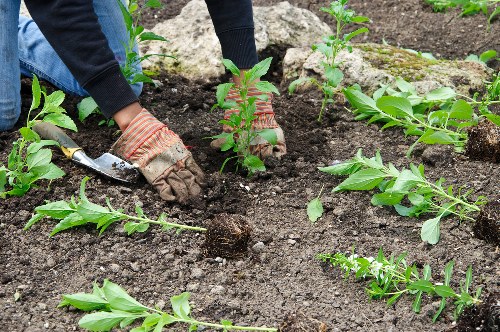
The right mowing service depends on what the garden needs now, not on a fixed description that suits every property. A small lawn with clear edges may only need a straightforward cut, while a more complex space may benefit from trimming, tidying and a slower, more careful first visit. We keep the service practical and focused on the outcome: a lawn that looks neat and is easier to keep that way.
When deciding how to proceed, it helps to think about three things: the current length and condition of the grass, the shape of the space, and whether other parts of the garden need attention at the same time. If you already know that the lawn is the main issue, you can keep the enquiry simple. If the whole outdoor area needs a broader refresh, it may be useful to combine mowing with other maintenance work rather than splitting the tasks into separate visits. That usually leads to a clearer plan and a more consistent finish across the garden.
To request a quotation, send the basic details of the lawn and the access to it, then ask for the mowing service that best matches your garden. If you want to include related work as well, mention that at the same time so everything can be considered together. Contact us for a quotation and we will help you take the next step.